Marketing your business does not have to mean spending thousands of dollars right away. In fact, some of the strongest marketing strategies start with something much simpler: a clear plan, a focused message, and a smart use of the resources you already have. For small businesses, nonprofits, startups, and local organizations, every dollar matters. Whether you are just getting started or trying to grow without stretching your budget too thin, a budget-friendly marketing plan can help you make confident decisions instead of guessing what might work.
At Ment Marketing & Creative Services, we know that every business deserves a strong online presence without breaking the bank. With the right strategy, even a modest marketing budget can help you build awareness, connect with your audience, and create momentum that leads to real growth.
Start With Clear Goals
Before you spend money on ads, graphics, social media, or a new website, take a step back and make a clear path to what you’re trying to accomplish.
Your marketing goals should guide every decision you make. Without clear goals, it is easy to spend money on things that look good but do not actually move your business forward.
Some defined goals to focus on may include:
- Increase website traffic
- Grow your social media audience
- Bring in more leads or inquiries
- Build awareness for a new business
- Promote an event or seasonal offer
- Improve local visibility
- Grow an email list
- Strengthen your brand identity
The more specific your goals are, the easier it becomes to choose the right marketing tools.
Your website is the central hub of your nonprofit’s digital presence. It’s where donors go to contribute, volunteers sign up to help, and beneficiaries learn about your mission. A poorly designed website can deter potential supporters, while a well-structured one can inspire trust and action.
Know Your Audience Before You Spend

A budget-friendly marketing plan relies on understanding who you are trying to reach. If you try to speak to everyone, your message can become too broad, and your budget can disappear quickly.
Think about your ideal customer or client. Where do they spend time online? What problems are they trying to solve? What kind of content do they respond to? Are they more likely to read an email, watch a short video, search on Google, or scroll Instagram?
Once you understand your audience, you can focus your time and money on the platforms and messages that matter most.
For example, a local boutique may benefit from Instagram Reels, behind-the-scenes content, and seasonal promotions. A professional service provider may need a stronger website, educational blogs, and LinkedIn content. A nonprofit may need storytelling, donor-focused emails, and clear calls to action.
The best marketing plan is not the one with the most platforms. It is the one that reaches the right people with the right message.
Focus on Your Brand Foundation
Before you start creating new campaigns, make sure your brand foundation is strong. Your logo, colors, fonts, messaging, and tone all work together to tell people who you are.
A consistent brand helps people recognize, remember, and trust you. It also saves money in the long run because you are not constantly reinventing your look or message.
If your business already has a logo and brand style, create a simple brand guide. This does not have to be complicated. Include your colors, fonts, logo variations, preferred wording, and examples of your tone. This makes it easier to create social media posts, flyers, emails, ads, and website updates that all feel connected.
If your branding feels outdated or inconsistent, refreshing your brand may be one of the smartest early investments you can make. A polished, professional look can make even a small business feel more established and trustworthy.
Choose a Few High-Impact Channels
One of the biggest mistakes businesses make is trying to be everywhere at once. Facebook, Instagram, LinkedIn, TikTok, YouTube, email, blogs, Google Ads, SEO, hard copy print materials—the list can get overwhelming fast.
Instead of spreading your budget too thin, choose two or three channels that make the most sense for your goals and audience.
A simple starter plan might include:
- A professional website or landing page
- One or two active social media platforms
- Local SEO and Google Business Profile updates
- A monthly email newsletter
- Occasional paid ads for specific promotions
This approach keeps your marketing focused and manageable. It also makes it easier to track what is working.
Remember, consistency usually beats intensity. Posting thoughtful content twice a week on the right platform is better than posting randomly on five platforms and burning out after a month.
Create Content With a Purpose

Content is one of the most budget-friendly tools your business has. Blog posts, social media captions, short videos, email newsletters, testimonials, and website updates can all help your audience learn more about you. But content should not be created just to fill space. Every piece of content should have a purpose.
Before creating a post, ask yourself:
- Is this educating my audience?
- Is this answering a common question?
- Is this showing what makes our business different?
- Is this building trust?
- Is this encouraging someone to take the next step?
For example, a blog post can answer a question your customers often ask. A social media post can show behind-the-scenes work. A video can explain your process. A testimonial can build credibility. A newsletter can keep your business top of mind.
Purposeful content helps you get more value from every post, every graphic, and every minute spent planning.
Repurpose What You Already Have
Budget-friendly marketing is all about working smarter. One of the easiest ways to save time and money is by repurposing content.
A single blog post can become:
- Several social media posts
- A short email newsletter
- A carousel graphic
- A video script
- A downloadable checklist
- A few quote graphics
- A section on your website
You do not always need brand-new ideas. Often, you just need to present the same helpful message in different formats.
This is especially useful for busy business owners who do not have time to create fresh content from scratch every day. Repurposing helps you stay consistent without overwhelming your schedule.
Use Paid Ads Strategically
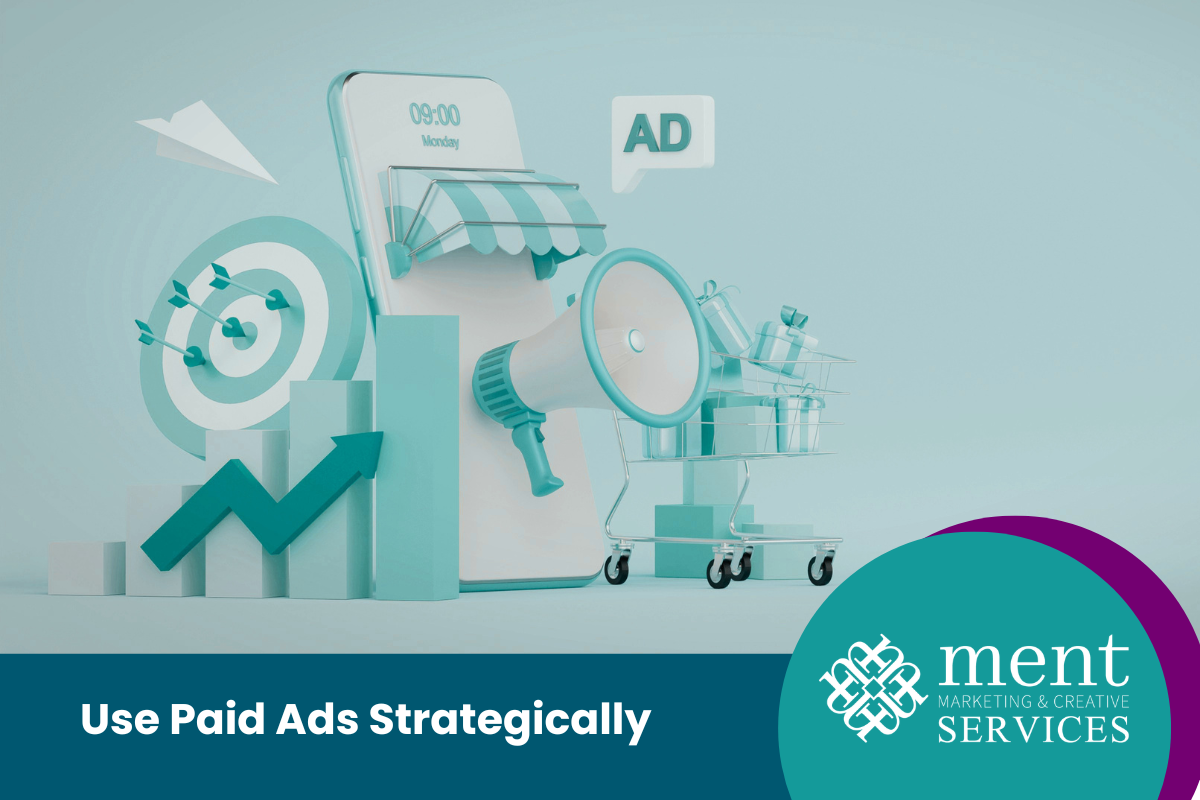
Paid advertising can be helpful, but it works best when it is part of a larger strategy. Running ads without clear goals, strong visuals, and a well-designed landing page can waste money quickly.
If your budget is limited, start small. Use ads for specific goals, such as promoting an event, driving traffic to a special offer, or generating leads. Avoid boosting random posts just because they seem important.
A small, targeted ad campaign can often perform better than a larger campaign with no direction. The key is knowing who you want to reach, what action you want them to take, and how you will measure success.
Track What Works
You do not need to be a data expert to track your marketing. Even simple measurements can help you make better decisions.
Pay attention to:
- Website visits
- Social media engagement
- Email opens and clicks
- Form submissions
- Phone calls
- New followers
- Ad performance
- Sales or inquiries connected to campaigns
Tracking helps you see where your budget is making an impact. If one platform is bringing in leads and another is not getting results, you can shift your energy and spending accordingly.
Marketing should never feel like a mystery. With clear reporting and regular check-ins, you can keep improving over time.
Plan in Seasons
You do not have to plan your entire year all at once. For many small businesses, quarterly planning works well.
Look at the next three months and ask:
- What promotions, events, or launches are coming up?
- What holidays or local events matter to our audience?
- What content topics would be helpful right now?
- What budget do we have available?
- What do we want to improve from last quarter?
This makes marketing feel more manageable and helps you stay proactive instead of scrambling at the last minute.
We Can Help

Budget-friendly marketing is not about doing less. It is about doing the right things with intention.
Ment Marketing & Creative Services offers flexible, strategy-backed support for businesses that want to grow without overspending. From branding and websites to social media, content creation, SEO, and advertising, our team can help you choose the services that make the most sense for your goals.
Whether you are a new business owner, a nonprofit leader, or an established brand ready to grow, Ment Marketing & Creative Services can help you build a strategy that fits your goals, your audience, and—more importantly—your budget.
FAQs
How much should a small business spend on marketing?
There is no one-size-fits-all answer. Your marketing budget depends on your business size, goals, industry, and stage of growth. A new business may need to invest more upfront in branding, a website, and foundational content, while an established business may focus more on ads, SEO, or social media management. The most important thing is to spend with a clear strategy instead of guessing.
What is the most affordable marketing strategy?
Content marketing, local SEO, email marketing, and organic social media are often budget-friendly options. These strategies may take time to build momentum, but they can create long-term value. A strong Google Business Profile, helpful blog posts, consistent social media content, and an email list can all support growth without requiring a large ad budget.
Should I use paid ads if I have a small budget?
Yes, but only with a clear plan. Small ad budgets can work well when they are targeted toward a specific audience and goal. Instead of running broad ads, focus on one campaign at a time, such as promoting an event, special offer, or lead form. Track results closely so you know whether the campaign is worth continuing.